Shame on Ottawa for Inadequate Help for Those Afghans Who Helped Us

April 22, 2022

Canadian media has done a terrific job in advocating for those Afghan interpreters, drivers, guards and others who were so valuable to Canadian diplomats and journalists before the Taliban took over and are now being hunted by them. They regularly are interviewed from Afghanistan where they hide, and their fear, and the apparent indifference of their plight trying to get them or their families to Canada is palpable. 


The government’s grand promises made to this group and their families have not been kept. Recently, an interpreter, lucky enough to be in Canada who was before a Parliamentary Committee on Afghanistan, described many of the promises made by Immigration, Refugees and Citizenship Canada (IRCC) related to bringing their families over as misleading. He said that Afghan interpreters were once heroes to the government of Canada, but that today, “they are zeroes because they are stressed, depressed, panicking and mentally unstable due to the lives of their families and their loved ones.”


One hundred former interpreters rallied in March in Toronto and recently staged a hunger strike in Ottawa to pressure the government to move on family reunification under a new policy announced in December. Over 300 families are waiting to flee, and have filed applications, but none have heard from Immigration Canada. 


Sean Fraser, the young earnest immigration and refugee Minister, wore a lot of egg on his face recently when Vassy Kapelos of CBC’s Power and Politics told him of the dire situation of an interpreter’s family then read a heartless bureaucratic letter he received.  Fraser was somewhat sympathetic but simply repeated the government’s mantra that they were committed to resettling 40,000 Afghans, of which nearly 11,000 were already here. 


Meanwhile, in Afghanistan, more than 50 former Canadian embassy security guards received an auto reply acknowledging their application in early August, but have heard nothing since. Veterans writing letters of reference for Afghans have had the same experience. And now a major advocacy organization, the Veteran’s Transition network, announced recently it is giving up its efforts to help this group, given onerous paperwork and the difficulty the government was having helping them get out of the country. 


It took a former MP and retired general, Andrew Leslie to really bell the cat. In a Globe article he blames the visa delays and bureaucratic roadblocks on Justin Trudeau. He said the Prime Minister has failed to step in and order the process streamlined, as he did for Ukrainian nationals.


As a former PMO staffer, I know that a call from a senior aide of the PM to the Minister to solve this issue would get things moving. It likely has not been made.


Patrick Gossage Insider Political Views

A couple in matching formalwear walks the red carpet, surrounded by photographers and camera flashes.
By Patrick Gossage August 11, 2026
Watching cringeworthy video of our former PM’s hand on popstars Katy Perry’s bum at the Tribeca film festival gave me pause about who our former leader had become.
By Patrick Gossage April 14, 2026
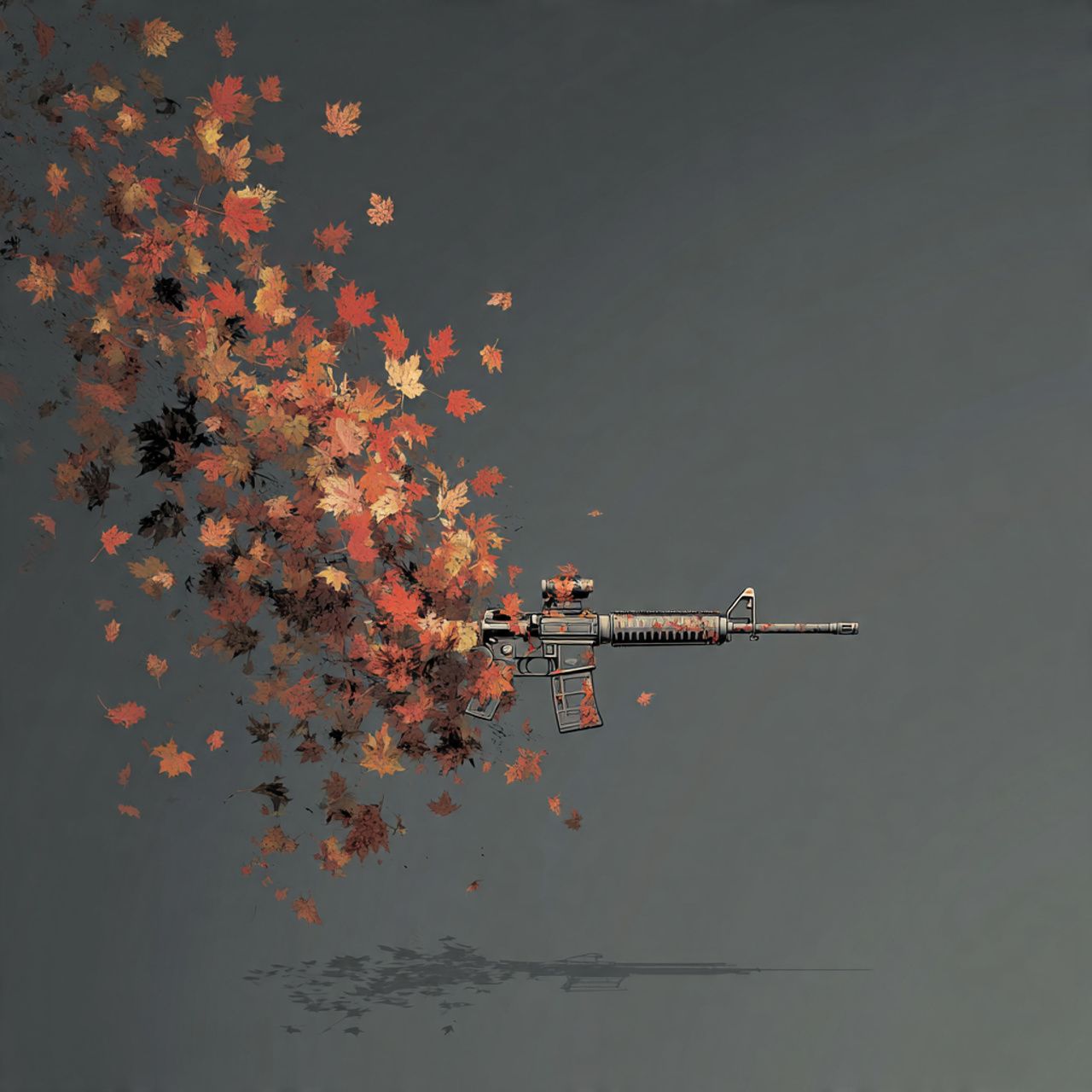
In contrast to US inaction after almost weekly mass killings, it took one horrible shooting rampage at the Ecole Polytechnique in Montreal, in 1980, to start the drive for public policy changes around gun control. But years delays between the mass shooting outrage and actual policy to rid the country of assault rifles doomed the eventual gun buyback program. The polytechnique horror was huge news in our relatively massacre-free nation. That December day, 25-year-old Marc Lépine stalked the hallways and classrooms of the École Polytechnique de Montréal with a semi-automatic rifle and murdered 14 women and injured another 13 people before killing himself. A year later, the Coalition for Gun Control was formed to push for stricter gun laws, led by survivors of the Montreal massacre. Later that year, the federal government passed Bill C-17, which imposed safety training and a mandatory waiting period to get a firearms licence-- not an effective means of controlling automatic rifles. Much later, in1996, Parliament passed the Firearms Act, Bill C-68, driven in part by a push for stricter gun laws following the Montreal massacre. The act created a national firearms registry and imposed new rules for obtaining a gun licence, including background checks. The former Conservative government, under prime minister Stephen Harper, abolished the long-gun registry, which it said placed an unnecessary burden on law-abiding gun owners. Quebec subsequently created its own provincial registry to replace it. It took another horrific killing nine years later in Nova Scotia to force Ottawa to take real action on miliary-style guns. On April 18 and 19, 2020, 51-year-old Gabriel Wortman committed multiple shootings and set fires at 16 locations, killing 22 people before he was killed by the RCMP. On May 1, 2020, Prime Minister Justin Trudeau, following through on a 2019 campaign promise, announced an immediate ban on some 1,500 makes and models of assault weapons.. The Canadian government sought to follow New Zealand's lead when at the same time it announced the ban it promised a plan to force gun owners to surrender military-style firearms. But while New Zealand acted quickly, in 2019, Ottawa only launched a long awaited buyback program in 2026. In contrast, the government of then New Zealand Prime Minister Jacinda announced its firearms buyback program shortly after a white supremacist killed 51 people at two mosques in Christchurch in March, 2019. In order to move quickly, New Zealand set up mobile units where firearm owners could get refunds in exchange for their firearms. They worked hard to get co-operation from gun owners. Meanwhile, here, the firearms industry and individual gun owners vigorously opposed the project, and it was delayed for years. The program was finally initiated this year with little of the sense of urgency it could have had right after the Nova Scotia killings. It has not been going well. In April, the federal public safety minister's office said more than 67,000 assault-style firearms have been declared by 37,869 firearm owners across Canada. That's just under half of the 136,000 firearms the government had budgeted for when it set aside aside $248.6 million for the program. The precise number of banned firearms in Canada is unknown due to the end of the long-gun registry in 2012. There are other deeper problems. Alberta, Saskatchewan, and Manitoba have indicated they will not assist with the program, meaning police are not co-operating as in New Zealand. Conservative MPs and firearm owners say the buyback is a wasteful exercise that targets law-abiding citizens. The original gun-control advocacy group, PolySeSouvient, blames “weak political leadership” for what it calls “poor participation” in the compensation program. It looks like Ottawa - to put it mildly - has blown the opportunity to really reduce the number of people-killing guns in this country.
More Posts