Two Opposites – Mark Carney and Donald Trump
One of the major differences between these two men is that Carney understands the value of well-thought-out strategy, abundantly clear in his Davos speech, which laid out one for middle powers to deal with the end of a rules-based international order and the rise of hegemony.
Trump's lack of strategic understanding is clear in his bumbling attempts to justify the billion-dollar-a-day Iran war. His overall tactic of “flooding the zone” – mounting a new initiative or major announcement every day, or even several times a day to ensure press and opposition can never catch up. This tactic has served him well – confusing the world and his would-be opponents into submission under a valley of activity and harsh opinions from the leader of the world.
Contrast this approach to leadership from Carney. He is systematically building a nation less dependent on US trade by travelling the world building new alliances and trading partners. And in the scare of Australia giving substance to his idea of alliances with middle powers. All laid out in the Davos speech.
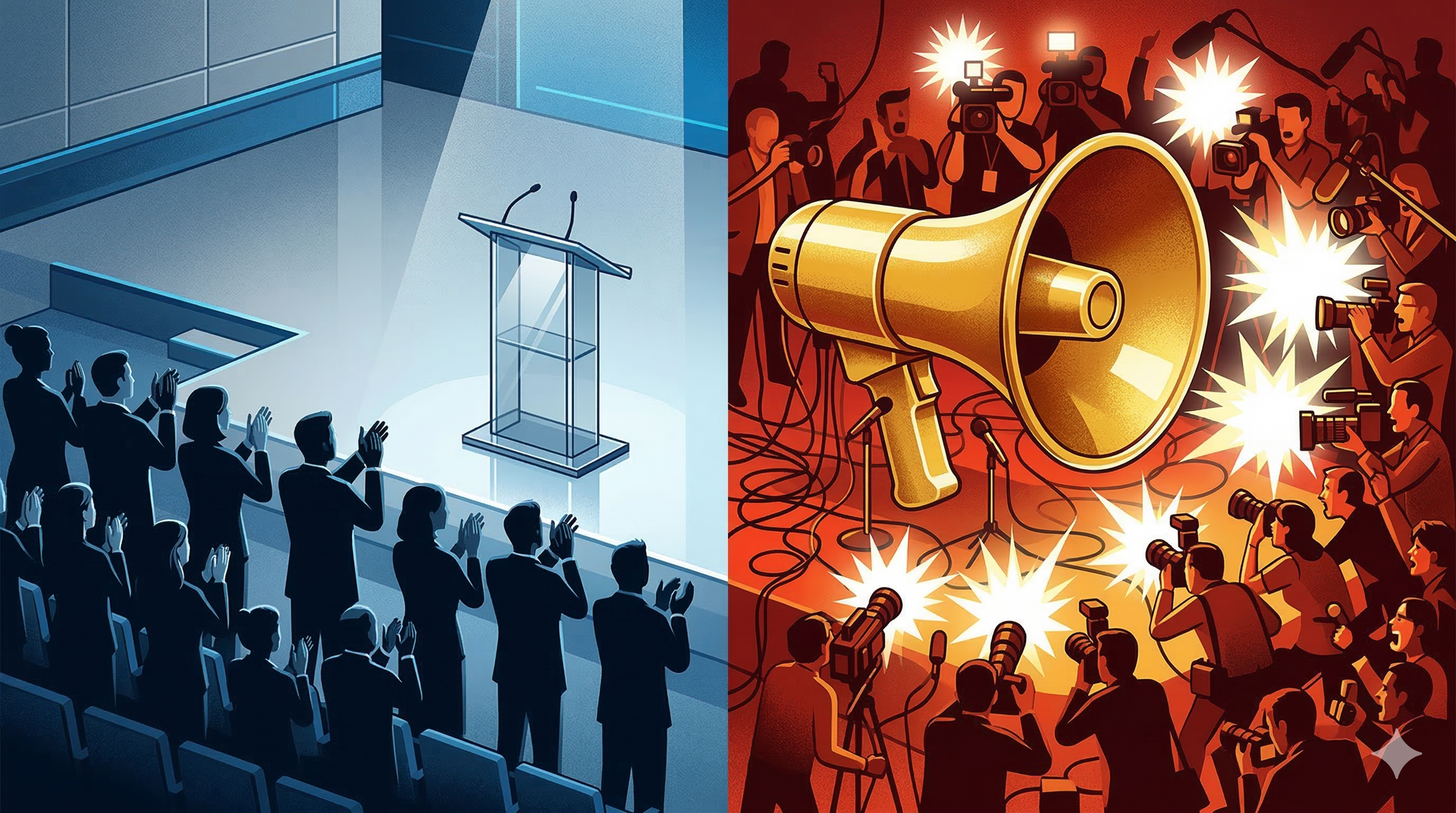
It is instructive to appreciate how much Trump was irritated by the Davos speech. Carney got a standing ovation; Trump’s rambling lengthy diatribe did not. He won’t soon forget being so upstaged. He surely recognized an intellectual power he could never match.
Carney is a realist and pragmatic when he stated recently “We take the world as it is, not as we wish it to be.” He is dealing with the world that is being reshaped by an irrational power-mad president, a world the powerful Stephen Miller said “that is governed by strength, that is governed by force, that is governed by power. These are the iron laws of the world.”
Does Carney sometimes err on the side of supporting Trump likely to ensure that critical talks on free trade and tariffs have some chance of finding a sympathetic ear? Yes; first he seemed to fully support Trump’s war with Iran. He later made his support more nuanced, saying Trump’s actions were against the rules-based international order. He now says we will not get involved unless a NATO ally is threatened.
But generally, Carney is highly rational in contrast to Trump’s self-centered irrationality. Take Trump’s bizarre ill-informed letter to the Prime Minister of Norway, who had no role in deciding if he got the Nobel Peace Prize: “I no longer feel obligated to think purely of Peace (he subsequently engaged in an ever expanding war against Iran). He then reiterated his demand for “complete and Total Control, of Greenland. Thank you!”.
His late-night rants, complete with caps, on social media show a mind out of control. Thay are dutifully reported on US news media and often astonish with their non sequiturs and nastiness.
One of his more unpresidential quotes came as he fingered White House drapes: “I chose these myself. I always liked gold."
The big question for Canadians who are more and more disillusioned with the antics of the President: could these two opposite ever sit down and do a deal that works for Canada. The two do text, and Carney has admitted that in private Trump does listen.
But there is also evidence that the trade people in the White House do not like Canada, and as Trump has said, we owe our very existence to the US. And we are “difficult”. They have said that the current trade deal is not good for the US and could be trashed entirely and -deals with Mexico and Canada could be separate and the current trilateral deal may be dead.
Canada was at the brink of reducing the heavy sectoral tariffs on steel, aluminum, and lumber when Premier Ford’s unfortunate ads during the Rose Bowl that featured President Reagan speaking against the usefulness of Tariffs led To Trump suspending talks. They only recently resumed.
So can our world-renowned businessman and banker hope to sit down with the unpredictable and unstable President and cut a deal? Some hope that if we extend talks, the President, weakened by the midterms, the bad economic fallout from an unpopular war, and the fragmentation of the MAGA movement may be easier to deal with. On the other hand he may badly need a “win,” bullying big concessions out of Canada and reaping so-cabled benefits from a weaker free trade deal.
There is a scenario where Trump gets a black eye if Carney simply walks away with the conviction, perhaps easily shared with an increasingly nationalistic and confident Canada that “no deal is better than a bad deal.”
In any case, what a decisive and challenging future we face with Canada at play. Can Carney win for Canada against his opposite by losing a deal?"
Patrick Gossage Insider Political Views