The Freedom Movement

February 28, 2022

Clever Ideologues Delude the Demonstrators

There is little doubt we have found out that the ideological leadership for the Ottawa Freedom Convoy was well-organized and funded and bent on challenging the government’s legitimacy to enact vaccine regulations that controlled their lives. Their deluded stated purpose was to force the removal of all the covid restrictions applied by a tyrannical Government led by the hated Justin Trudeau – even though most of them were instituted by the provinces. The other irony of the Ottawa occupation as it developed into a completely equipped village installed in front of the Parliament buildings is that the majority of the demonstrators there in it were pretty ordinary, mostly young people and families, deluded into believing they were part of a larger patriotic freedom movement. 


As days turned into weeks and friendly police left laws they were breaking unenforced, their leadership had told them they could not be arrested and made sure copies of the Charter of Rights and Freedoms were widely distributed. When Saskatchewan lifted many restrictions, they felt they were winning. This belief that encouraged them to have dance parties, put up hot tubs and toilets and food stations and kids play areas with impunity seems to have been the result of a misguided city policy to not provoke them and to keep the city calm. It was so successful that when police were reinforced and started to methodically break up demonstrators and remove their trucks and facilities, many still held the deluded belief they could not be arrested and that the police were still their friends. They also were encouraged by a certain level of support from Conservative federal politicians and by the Official Opposition claiming the government’s unwillingness to hear their views contributed to the occupation.


They were of course horrified when 170 of them were arrested.   Many still have not been charged in a police action that faced almost no violent push back.  This disproportionate use of Emergency powers will continue to haunt the government. As will the criminalization of so many who believed they were patriotic freedom fighters. This will strengthen, not weaken, the movement as will the positive reinforcement of it becoming a cause celebrated in the powerful US world of Trumpian right wing politics and media.  Of course, governments are slowly dismantling Covid restrictions, so they can claim eventual victory. 


The larger group of demonstrators may remain deluded that they are free to disobey any future health or other restrictions they do not agree with. But the future danger is more in right wing idealogues connected with and encouraged by their US counterparts who have proven they can delude large numbers of particularly young citizens angry at the government for ignoring their sense of hopelessness and a shrinking future into mounting other mass demonstrations. Another Freedom Convoy will never be allowed to settle in and put down roots. The police have learned their lesson. But the strategy to mobilize discontent in this country is waiting to be used by clever ideologues again.  

Patrick Gossage Insider Political Views

A couple in matching formalwear walks the red carpet, surrounded by photographers and camera flashes.
By Patrick Gossage August 11, 2026
Watching cringeworthy video of our former PM’s hand on popstars Katy Perry’s bum at the Tribeca film festival gave me pause about who our former leader had become.
By Patrick Gossage April 14, 2026
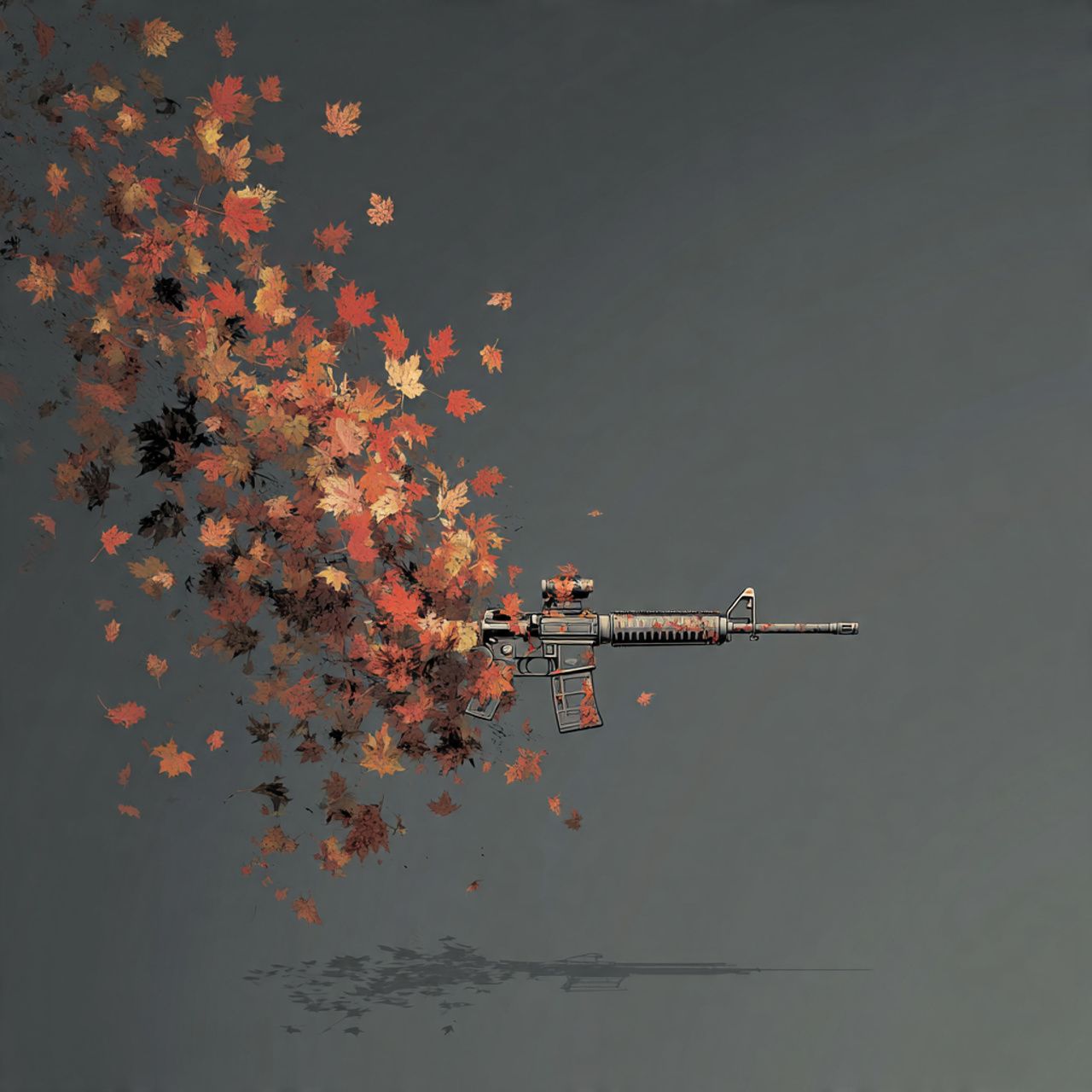
In contrast to US inaction after almost weekly mass killings, it took one horrible shooting rampage at the Ecole Polytechnique in Montreal, in 1980, to start the drive for public policy changes around gun control. But years delays between the mass shooting outrage and actual policy to rid the country of assault rifles doomed the eventual gun buyback program. The polytechnique horror was huge news in our relatively massacre-free nation. That December day, 25-year-old Marc Lépine stalked the hallways and classrooms of the École Polytechnique de Montréal with a semi-automatic rifle and murdered 14 women and injured another 13 people before killing himself. A year later, the Coalition for Gun Control was formed to push for stricter gun laws, led by survivors of the Montreal massacre. Later that year, the federal government passed Bill C-17, which imposed safety training and a mandatory waiting period to get a firearms licence-- not an effective means of controlling automatic rifles. Much later, in1996, Parliament passed the Firearms Act, Bill C-68, driven in part by a push for stricter gun laws following the Montreal massacre. The act created a national firearms registry and imposed new rules for obtaining a gun licence, including background checks. The former Conservative government, under prime minister Stephen Harper, abolished the long-gun registry, which it said placed an unnecessary burden on law-abiding gun owners. Quebec subsequently created its own provincial registry to replace it. It took another horrific killing nine years later in Nova Scotia to force Ottawa to take real action on miliary-style guns. On April 18 and 19, 2020, 51-year-old Gabriel Wortman committed multiple shootings and set fires at 16 locations, killing 22 people before he was killed by the RCMP. On May 1, 2020, Prime Minister Justin Trudeau, following through on a 2019 campaign promise, announced an immediate ban on some 1,500 makes and models of assault weapons.. The Canadian government sought to follow New Zealand's lead when at the same time it announced the ban it promised a plan to force gun owners to surrender military-style firearms. But while New Zealand acted quickly, in 2019, Ottawa only launched a long awaited buyback program in 2026. In contrast, the government of then New Zealand Prime Minister Jacinda announced its firearms buyback program shortly after a white supremacist killed 51 people at two mosques in Christchurch in March, 2019. In order to move quickly, New Zealand set up mobile units where firearm owners could get refunds in exchange for their firearms. They worked hard to get co-operation from gun owners. Meanwhile, here, the firearms industry and individual gun owners vigorously opposed the project, and it was delayed for years. The program was finally initiated this year with little of the sense of urgency it could have had right after the Nova Scotia killings. It has not been going well. In April, the federal public safety minister's office said more than 67,000 assault-style firearms have been declared by 37,869 firearm owners across Canada. That's just under half of the 136,000 firearms the government had budgeted for when it set aside aside $248.6 million for the program. The precise number of banned firearms in Canada is unknown due to the end of the long-gun registry in 2012. There are other deeper problems. Alberta, Saskatchewan, and Manitoba have indicated they will not assist with the program, meaning police are not co-operating as in New Zealand. Conservative MPs and firearm owners say the buyback is a wasteful exercise that targets law-abiding citizens. The original gun-control advocacy group, PolySeSouvient, blames “weak political leadership” for what it calls “poor participation” in the compensation program. It looks like Ottawa - to put it mildly - has blown the opportunity to really reduce the number of people-killing guns in this country.
More Posts